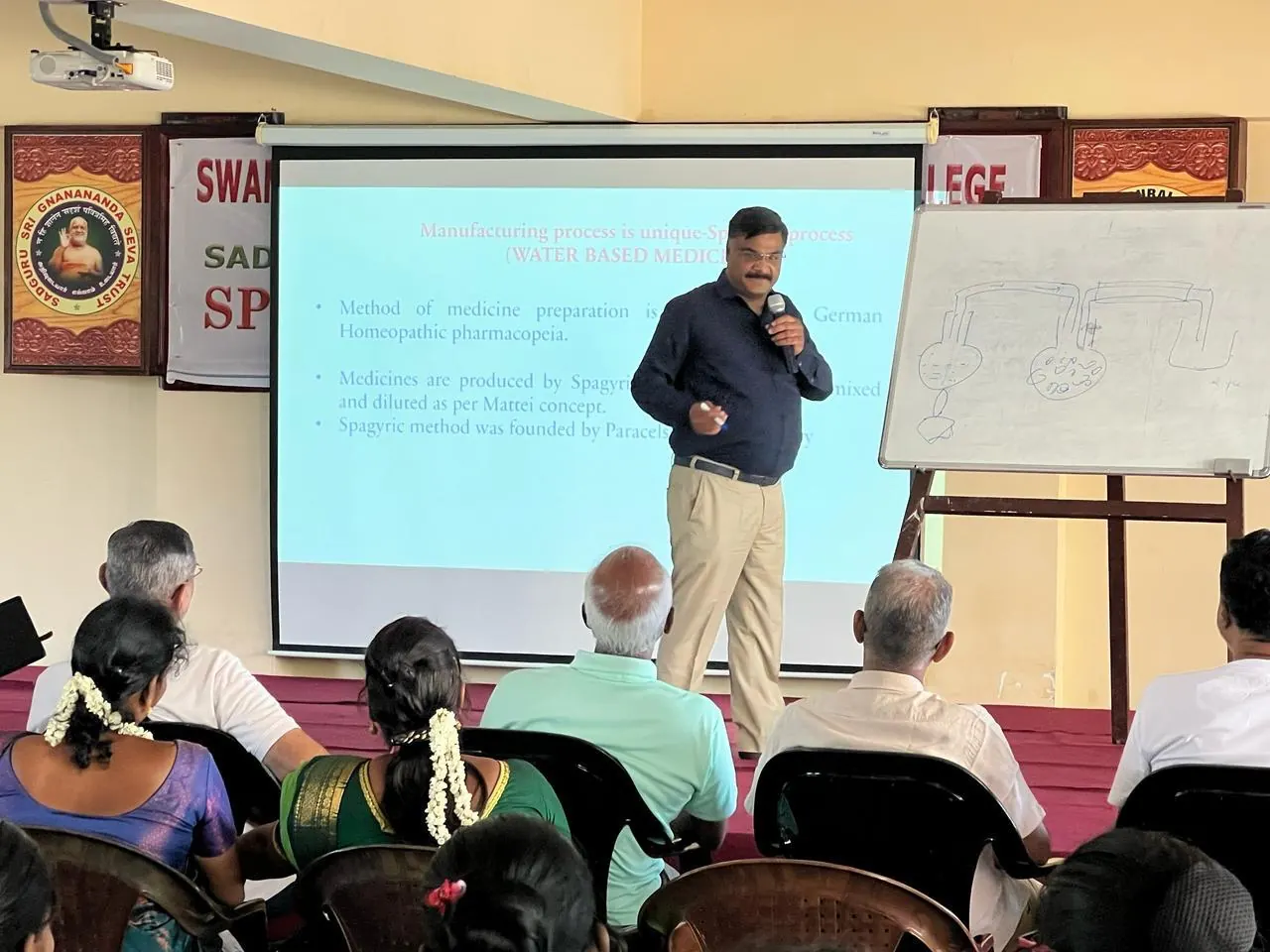
Electrohomeopathy is a holistic, plant-based system of medicine developed by the Italian Count Cesare Mattei in the nineteenth century. It is based on an individualized approach that considers the person as a whole rather than focusing solely on individual symptoms.
Plant-Based & Spagyric Preparations
Electrohomeopathic remedies are traditionally prepared from medicinal plants using specialised spagyric principles, involving processes of separation, purification, and recombination.
Medicinal plants contain naturally occurring compounds known as phytochemicals or phytomolecules. Electrohomeopathy traditionally uses specially prepared botanical combinations according to its own principles and classifications.
The Philosophy of Balance
Traditional Electrohomeopathic philosophy places importance on internal balance and harmony. Within its classical framework, disturbances involving biological processes—including traditional concepts relating to blood and lymph—are considered when understanding patterns of health and disease.
The Meaning of Electrohomeopathy
- Electro — traditionally refers to the active or energetic properties attributed to specially prepared plant-derived substances.
- Homeo — represents the concept of balance, harmony, and equilibrium.
- Pathy — refers to a system or method of treatment.
An Individualized Approach
Electrohomeopathy traditionally recognises that every individual is unique. Assessment may consider a person's symptoms, health history, individual characteristics, and overall health patterns.
Electrohomeopathy represents a distinctive tradition in plant-based therapeutics, combining botanical preparations, individualized assessment, and a holistic approach to health and well-being.